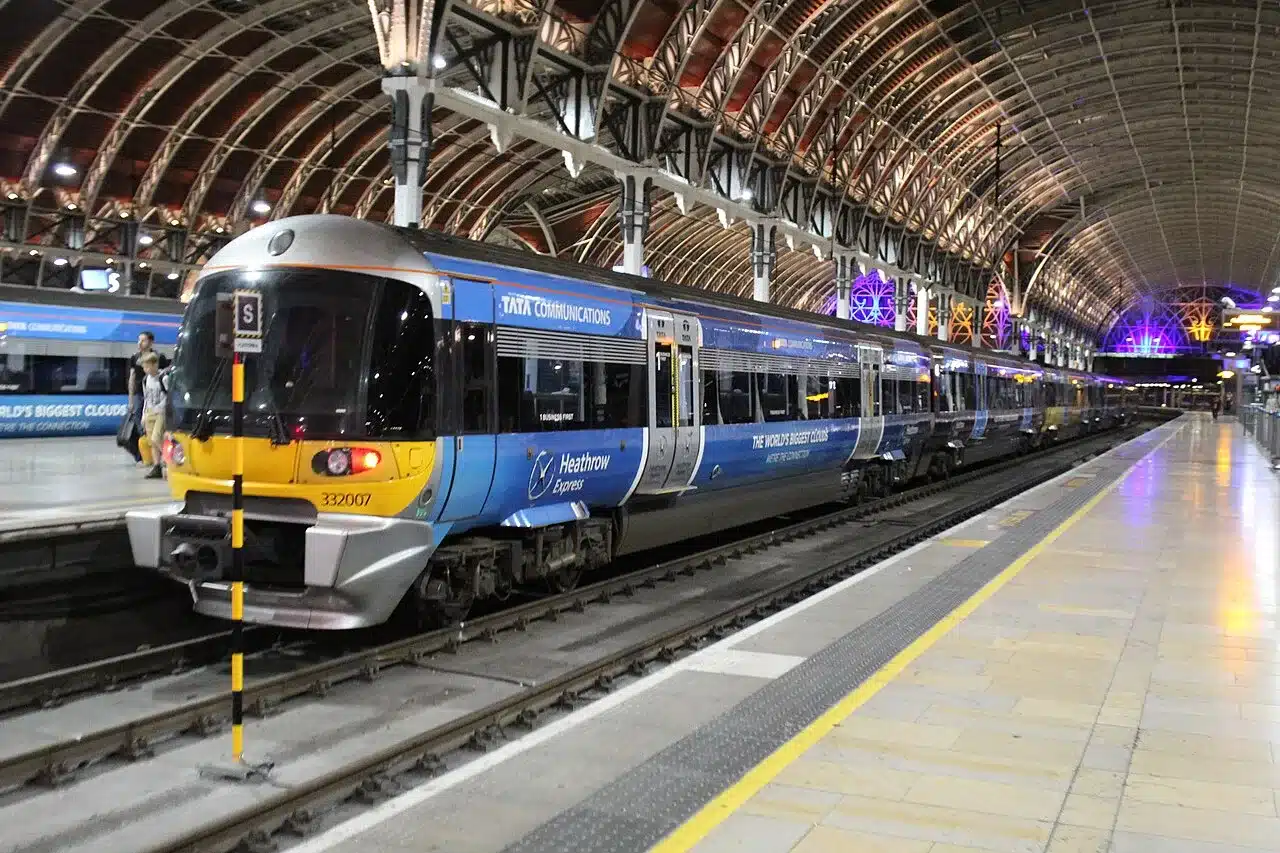
Airports and entry
The ETA, and the fastest and cheapest ways into central London from Heathrow and Gatwick.
Compare airport transfers
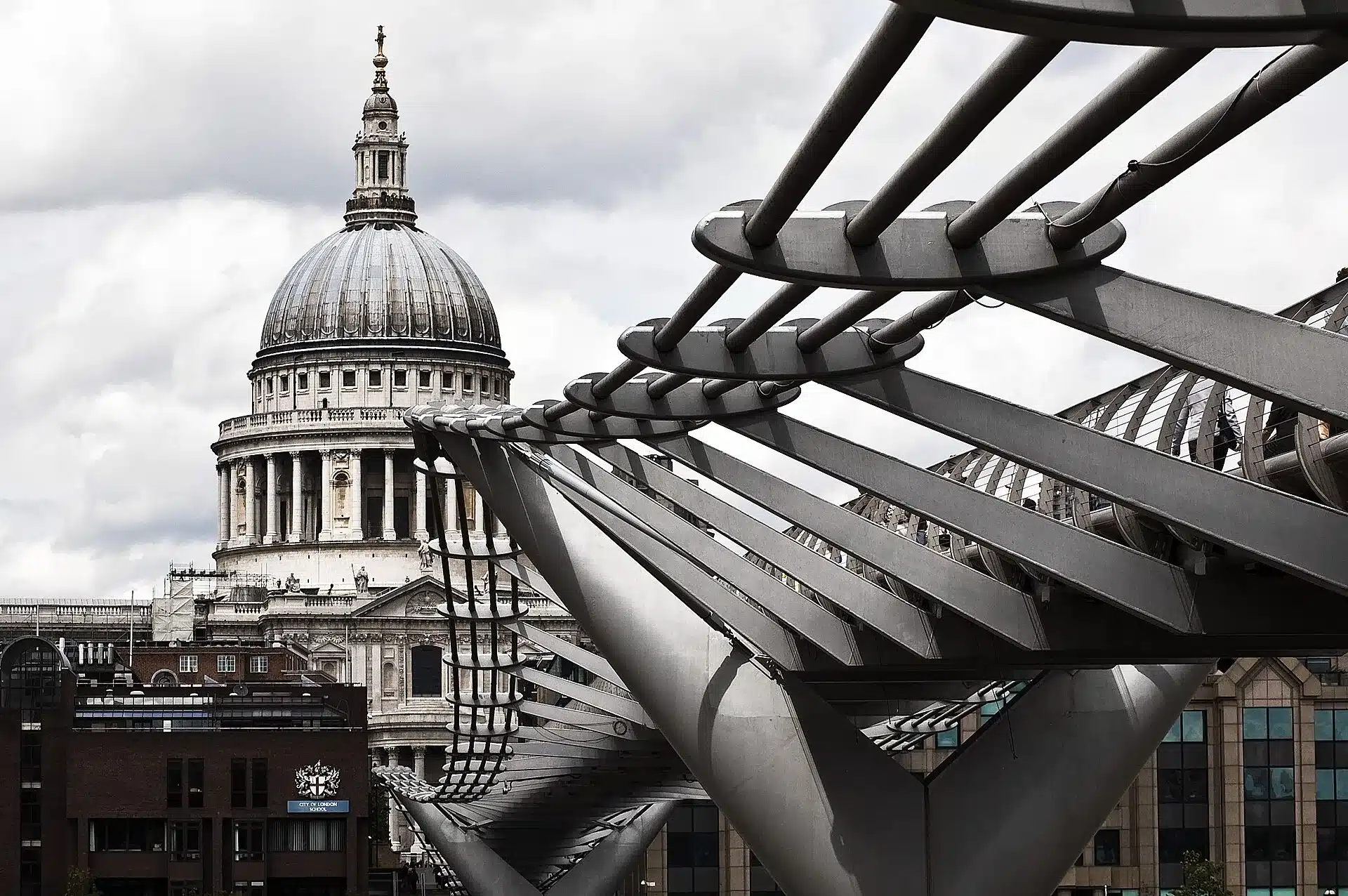
Everything you need before and during a trip to London: entry rules and the ETA, getting in from the airports, paying for the Tube and buses, where to stay, money, safety and etiquette, with links to all our planning guides.
Before a trip to London, check whether you need a UK Electronic Travel Authorisation (ETA): most visitors who do not need a visa, including travellers from Europe, the USA, Canada and Australia, must have one, and it costs £20 through the official GOV.UK service or the UK ETA app. Once you arrive, pay for the Tube, buses and the Elizabeth line with a contactless card or phone, which caps your daily spend automatically; card payments are accepted almost everywhere; and many of the best sights, from the British Museum to the National Gallery, are free. You do not need an ETA if you are a British or Irish citizen, or if you change planes at a UK airport airside without passing through border control; if your connection means crossing the border, check what your passport needs on GOV.UK. See the full list of who does not need an ETA. Book timed tickets for the big paid attractions and any show before you travel, and plan each day around one area to save time.
The ETA, and the fastest and cheapest ways into central London from Heathrow and Gatwick.
Compare airport transfers
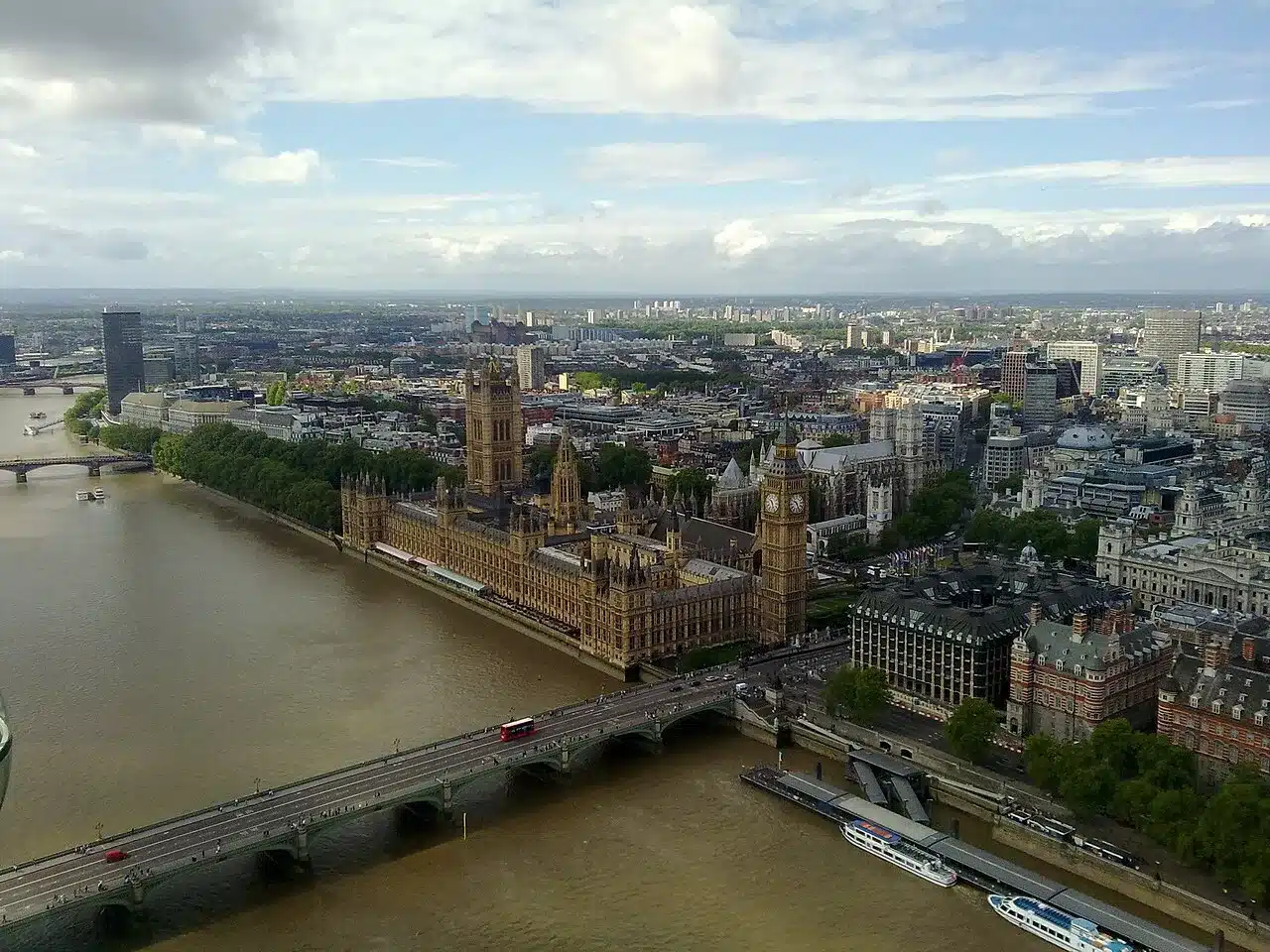
Day-by-day plans for 1 to 5 days and what each season offers.
London itineraries
Three ways to get from the plane to your first sights. Journey times are approximate; check live times before you travel.
The simplest arrival day.
Book in advance: Heathrow Express advance fares if you want the cheapest version of that train.
Might cost money: the train or Tube and dinner.

South of London, with three rail options.
Book in advance: advance train tickets if you have a fixed arrival time.
Might cost money: the train and dinner.
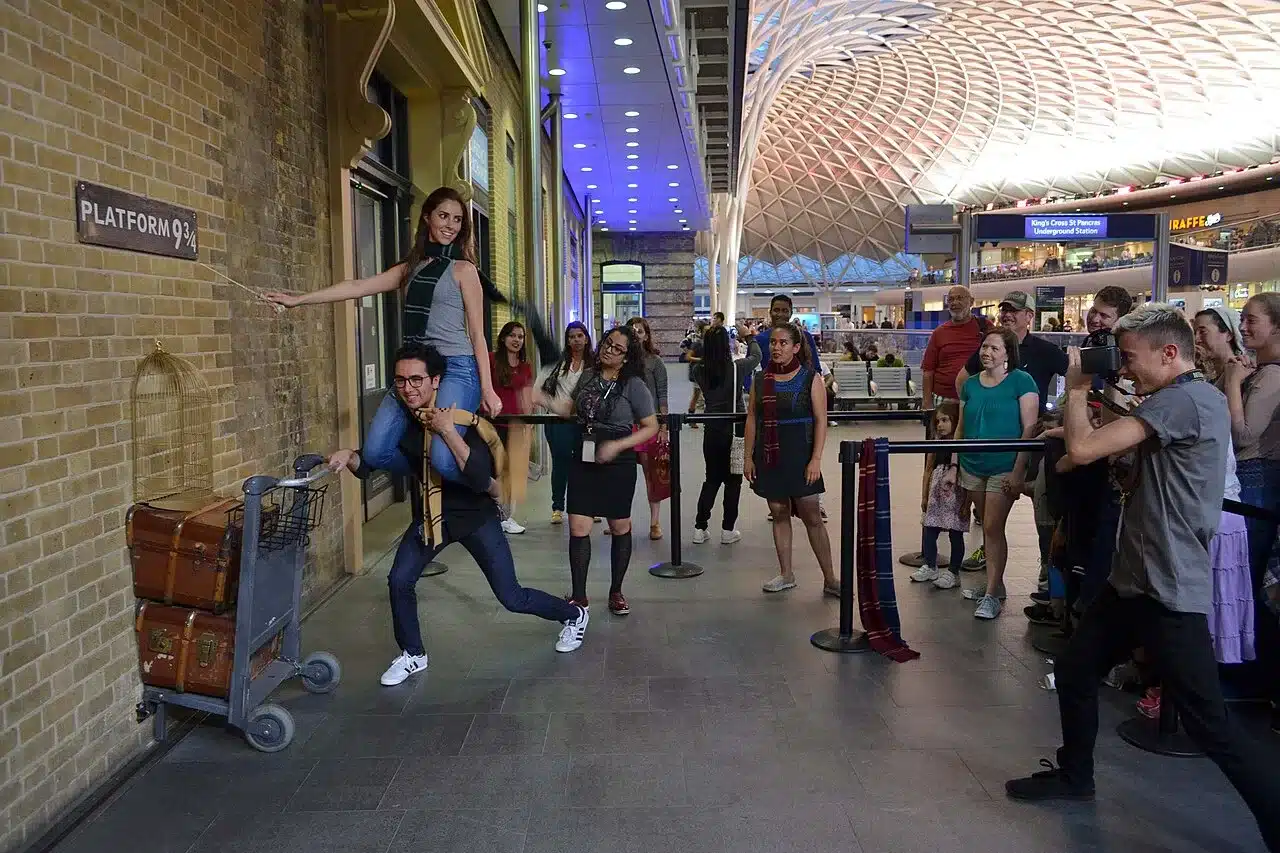
Arriving by train puts you in central London straight away.
Book in advance: a free British Museum time slot.
Might cost money: food and transport. Free: the stations, the canal and the museum.
The main rail links from London’s airports. Fares change and vary by time and booking method, so check the operator before you travel.
| Airport and service | Arrives at | Time | Pay with | Best for |
|---|---|---|---|---|
| Heathrow: Heathrow Express | Paddington | About 15 minutes, non-stop | Ticket (£26 on the day, from £10 in advance) or contactless | Speed |
| Heathrow: Elizabeth line | Paddington, Bond Street, Tottenham Court Road, Liverpool Street | Longer, with stops | Contactless or Oyster | Value and a direct ride across the centre |
| Heathrow: Piccadilly line | South Kensington, Piccadilly Circus, King’s Cross | The slowest option | Contactless or Oyster | The lowest fare |
| Gatwick: Gatwick Express | Victoria | About 30 minutes, non-stop | Ticket or contactless | Speed to the West End |
| Gatwick: Southern and Thameslink | Victoria; London Bridge, Blackfriars, St Pancras | A few minutes slower | Ticket or contactless | Lower fares; the City and King’s Cross |
| Stansted: Stansted Express | Liverpool Street | Check timetable | Ticket | East London and the City |
| St Pancras: Eurostar | King’s Cross St Pancras | Already central | Tube with contactless | Rail travellers from Europe |
See National Rail for timetables and our Heathrow and Gatwick layover guides.
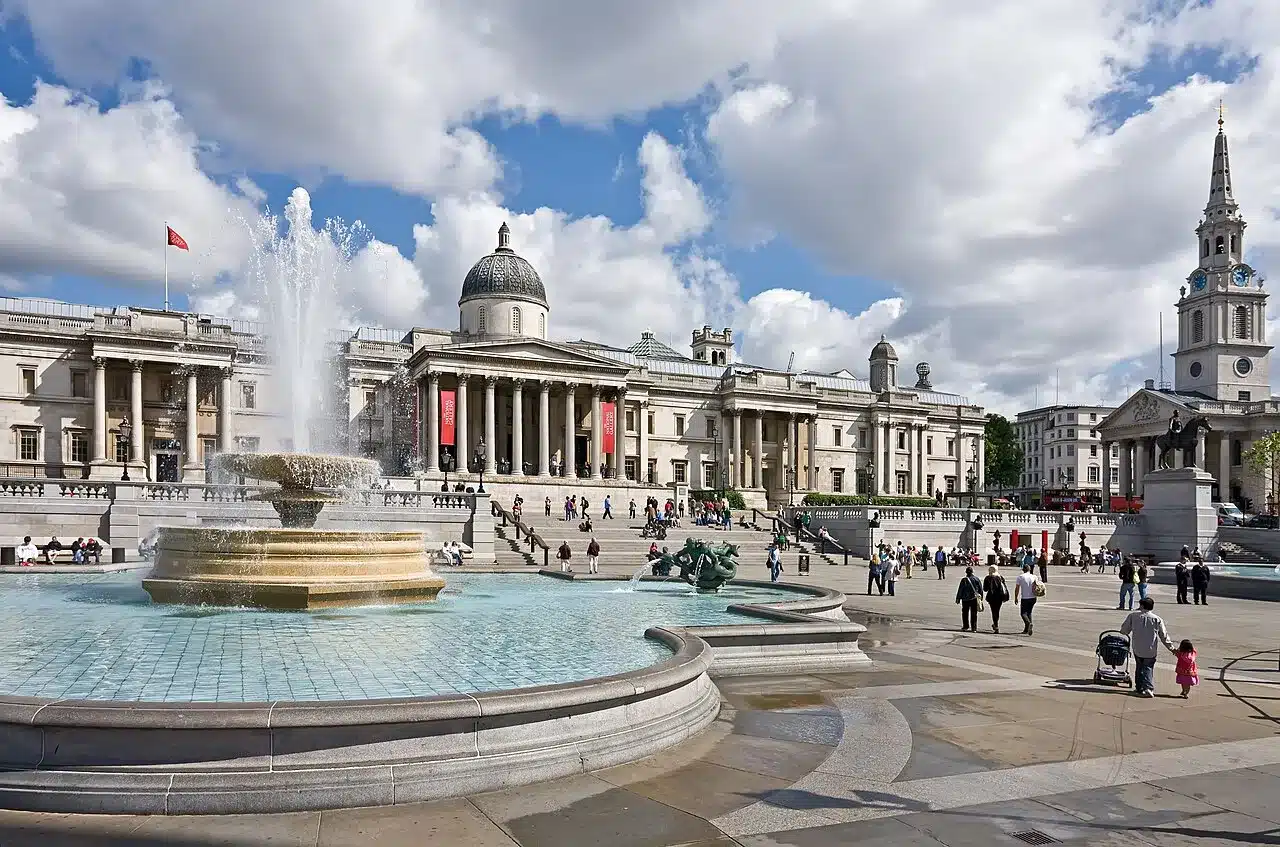
Most visitors need either a visa or an Electronic Travel Authorisation, depending on nationality. An ETA costs £20, lets you visit for up to six months at a time and is linked to your passport; most applicants get a decision quickly in the UK ETA app, but the Home Office advises applying at least three working days before you travel. Every traveller needs their own, including children.
The currency is the pound sterling (£). Contactless cards and phones are accepted almost everywhere, including market stalls, buses and the Tube; some places are card-only. Many restaurants add a discretionary service charge, often around 12.5%; if they do not, tipping about 10% is customary for table service. Tipping is not expected in pubs when you order at the bar.

London is generally safe for visitors, but pickpockets work in busy areas such as Oxford Street, Leicester Square and on crowded Tubes. In an emergency call 999; for urgent medical advice that is not an emergency, call NHS 111. Tap water is safe to drink.
UK sockets take three-pin Type G plugs, at 230 volts, so bring an adapter. On escalators, stand on the right and walk on the left; let people off the train before you get on; and queue for buses and at counters. Many shops have shorter opening hours on Sundays.

May and September balance weather and crowds; summer is busiest; December is for Christmas lights; January to March has the lowest prices. Daylight changes a lot: it is dark by about 4pm in December.
| Area | Good for | Stations | Our guide |
|---|---|---|---|
| Covent Garden and Soho | Theatre, restaurants and nightlife | Covent Garden, Leicester Square | Covent Garden |
| South Bank and Waterloo | Walking to Westminster and Bankside | Waterloo, Southwark | Central London |
| Westminster and Victoria | The Abbey and palace; Gatwick trains | Victoria, St James’s Park | Near Victoria |
| Bloomsbury and King’s Cross | Museums, Eurostar and trains north | King’s Cross St Pancras, Russell Square | Near King’s Cross |
| Paddington and Hyde Park | Heathrow links, parks and families | Paddington, Lancaster Gate | Paddington |
| Kensington | Museums, parks and quieter streets | South Kensington, High Street Kensington | Hyde Park |
| The City and Tower Hill | The Tower and weekend hotel deals | Tower Hill, Bank, Liverpool Street | City of London |
For more on each area, see London neighbourhoods to explore.
Full details in our guide to getting around London.
A guided walk or ride on your first day helps you get your bearings. Prices are shown in USD and updated daily from Viator.
Affiliate links. We earn a commission on qualifying bookings made through these links, at no extra cost to you.
More options in best London tours.
Affiliate links. We earn a commission on qualifying bookings made through these links, at no extra cost to you.
Some travellers prefer to book through GetYourGuide, which has its own reviews, prices and cancellation terms. If that is you, these are some of the most reviewed London sightseeing there. The widget loads live prices from GetYourGuide, and we may earn a commission if you book through it.
Most visitors who do not need a visa do, including travellers from Europe, the USA, Canada and Australia. It costs £20 and is applied for through the GOV.UK ETA page or the UK ETA app. British and Irish citizens do not need one.
The Heathrow Express is fastest, about 15 minutes non-stop to Paddington; the Elizabeth line is cheaper and runs across central London; the Piccadilly line is the cheapest. All three accept contactless.
Yes. Tap the same card or phone in and out, and TfL caps your fares each day and week. See TfL ways to pay.
Very little. Contactless cards and phones are accepted almost everywhere; a small amount of cash is useful for tips and the occasional stall.
Hotels and paid attractions can be, but many of the best museums, parks and views are free, and buses are £1.85 a journey. See cheap things to do in London.
Generally yes. Watch for pickpockets in crowded areas, use licensed taxis, and call 999 in an emergency or NHS 111 for urgent medical advice.
Three-pin Type G sockets at 230 volts. Bring an adapter, and a converter if your device does not support 230 volts.
Three days covers the main sights; four or five let you add Greenwich, Camden or a day trip. See London itineraries.


